
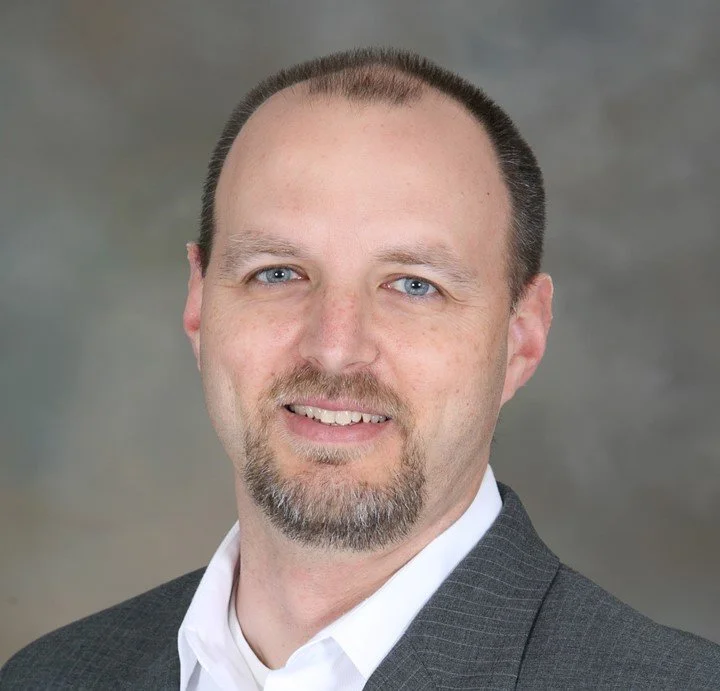
A majority of my Fortune 500 experience has been in Manufacturing and Distribution companies.
Frontline Manufacturing
My first exposure to manufacturing was working for American Woodmark, one of the countries largest cabinet manufacturers. Then transitioning to Kimberly-Clark in a CPG (Consumer Packaged Goods) facility, I was working on highspeed manufacturing lines. Starting at the bottom, I was a machine operator. I performed repair and maintenance work on the equipment. I did well and was offered a variety of experiences and responsibilities. After they closed the facility, I attended Santa Clara University and received my MBA.
Silicon Valley
While in Silicon Valley, I had the opportunity to work for Microsoft, a software consulting firm (where I worked closely with Cisco Systems and Sun Microsystems) and Lam Research (semiconductor). I was working in Sales and Marketing roles while at these companies
So Cal and Business Ownership
When my children were beginning elementary school, we moved to Southern California. While I was born and raised in Northern California, my heart was to live in the weather and beaches of So Cal.
I moved to So Cal with a job I hated. So I bought a business, but discovered I hated that even more. During the Great Recession, I recognized my need for a “real” job. This started my long-term career with manufacturing.
Abbott Labs
I took a step back in my career to work at Abbott Vascular (division of Abbott Labs) as a frontline supervisor. Starting with 3 production lines and ~120 employees, I pretty quickly increased productivity and earned a reputation for getting things done. I was soon moved to another production line that needed to improve performance. Then I joined the LEAN Team and received my LEAN Six Sigma Yellow Belt. We implemented LEAN methodologies to increase productivity, reduce waste and reduce inventory. I then began leading the LEAN Team. After leading this team successfully I joined the team responsible for developing and implementing Supply Chain Management under the guidance of Oliver Wight. Then Project Management; then more Manufacturing and MFG Systems; then more Supply Chain. Every 6 - 9 months I would move to another group to solve a new set of problems. I really enjoyed my 8 years at Abbott, but we had been moving manufacturing offshore for years. There were some great career opportunities overseas, but my family and I had a community here. Then, one day, I received a call.
Medtronic
I told the recruiter I wasn’t really looking to leave. She said, “Can I just tell you about this opportunity?” She had found me on LinkedIn and described a variety of issues they were facing and said they needed someone like me. Sure enough, my LinkedIn described increases in productivity, LEAN, cost savings, large team projects and that I loved the difficult projects.
So I began my 4.5 year career with Medtronic. It was a great opportunity to solve problems, learn, and grow. I rotated through manufacturing areas, launching products, ramping production, LEANing MFG, and increasing employee engagement scores. I was very involved in FDA and Regulatory audits, often leading the manufacturing tours. I completed my LEAN Six Sigma Green Belt, worked with corporate on the strategy planning and collaborated with teams around the world. Around the time all the production lines were finally achieving the target manufacturing capacities, I received another call.
Roper Technology
This call was from a friend. He was the president of a small hi-tech electro-mechanical division of a $5B conglomerate. He had gone through a couple of Operations Leaders, but they could not figure out the backorder issues, the people issues, or product development timing. I came in as the Operations Director. As a member of the Leadership Team, I was also deeply involved in Strategy, Sales, Marketing, Product Development… We implemented some of the Best Practices I had learned throughout my career in hi-tech and med device. We almost doubled in a couple of years. As the systems and processes took hold, it no longer required transformation. It had transitioned into maintenance mode. We hired an excellent manager. After she was trained and up-to-speed, I went to my last W2 role.
Endologix
Again, a recruiter found me on LinkedIn. He described a company that entered bankruptcy during COVID. Then it was purchased by Deerfield (private equity). Deerfield also bought a startup that was struggling to launch a product. I was brought in to address the productivity issues and help launch the new product. It was a whirlwind of travel and activity. We quickly made significant improvements to productivity, cost reduction, leadership concerns and completed a FDA Class III PMA with zero findings. About 18 months into the roll, I had a surprise visit from my boss the COO. She said she really appreciated all of the great work I had done, but they were having another lay-off (the third since I had been there) and they we going to have to let me go. I agreed with her. We had launched the product, both teams were now strong, they knew what to do, how to do it, and had metrics to demonstrate their performance.
Fractional COO
Shortly after my departure from Endologix, I received another call. This time it was from a CEO / Founder. He said, “I need you, but not full-time. I’d like to bring you on as a Fractional COO.”
At first, I was slightly intimidated. Can I really call myself a COO? I started with an intense feeling of imposter syndrome. Now having worked with many small to medium sized businesses; family businesses, startups, manufacturing, med device, SaaS, construction, restaurants, law offices and a host of other startups looking for funding, I am confident in my ability to transform an organization from where they are today, to where they want to go.
My Approach
What began as a passion project has evolved into something more. We’re proud of where we’ve been and even more excited for what’s ahead. What sets us apart isn’t just our process—it’s the intention behind it. We take time to understand, explore, and create with purpose at every turn.
Simple ideas
Through every step, we've focused on staying true to our values and making space for thoughtful, lasting work.
Lasting impact
We build with clarity, act with integrity, and always stay curious.